A storytelling case study from a small-town publisher
Introduction
When you think about email automation, you probably picture a complex system with coding, segmentation, A/B tests, and CRM syncing. But what if we told you that email automation could be as simple as setting it once and letting it bring in new revenue while you sleep?
Meet Bob, the publisher of Bob’s Music Weekly, a small-town music magazine in Naperville, Illinois. Bob is a solopreneur. He writes, edits, sells ads, and runs the whole show. Marketing? It was something he “meant to do” but rarely had time for.
This is the story of how Bob used Working Napkin to book three new advertisers in just 30 days without sending a single email himself.
The Problem: Bob Was Invisible
Bob’s magazine had loyal readers, beautiful layouts, and great distribution. But his ad revenue wasn’t growing. In fact, he was losing touch with past advertisers.
“I had a spreadsheet of leads and past clients. I just never got around to following up.” — Bob
Like many local publishers, Bob’s outreach was inconsistent. Some months, he followed up. Most months, he didn’t.
The Turning Point: Automating His Outreach
Bob signed up for Working Napkin after a recommendation from another publisher. Within a week:
- His logo, brand colors, and contact info were added to the system
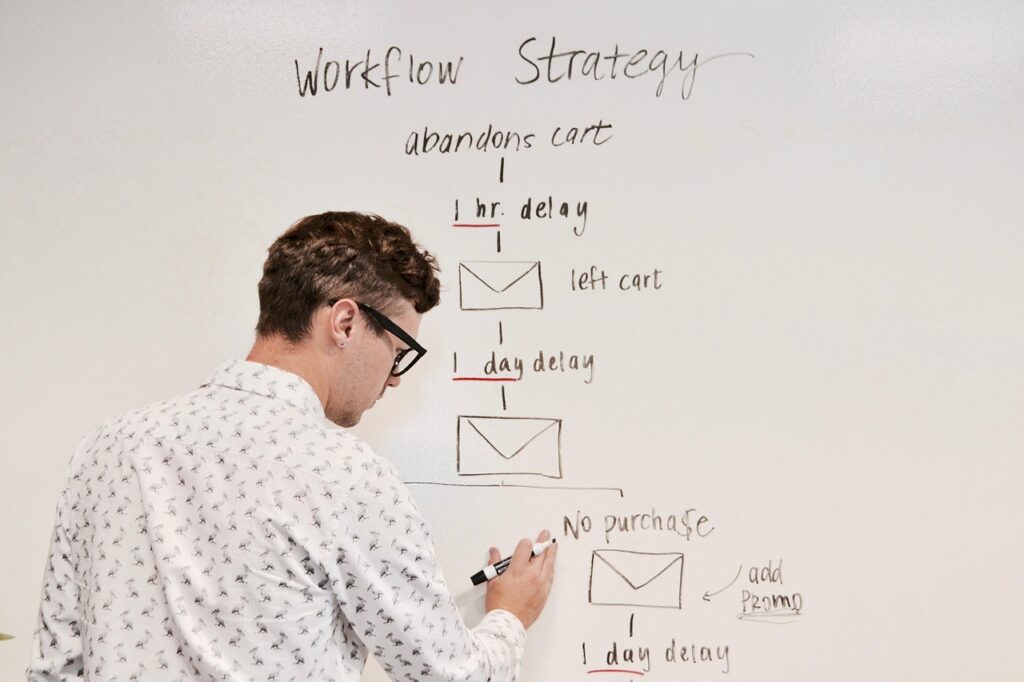
- A 12-email automation campaign was created based on his niche (local music)
- A personalized lead capture form was installed on his website
All Bob had to do was review the email sequence. The Working Napkin team handled the writing, branding, and scheduling.
The Emails: Simple, Personal, and Effective
The email sequence was crafted to feel personal. These weren’t generic sales pitches. They were short, conversational, and focused on value.
Email topics included:
- What a local ad really costs (and what it delivers)
- How other businesses have seen success
- A behind-the-scenes look at the magazine
- A spotlight offer with limited availability

The Results: 3 Advertisers in 30 Days
Bob’s emails went out automatically to a mix of past advertisers and new leads from his website form.
By day 10: One advertiser replied asking for pricing.
By day 18: Another requested a call.
By day 25: A music shop owner booked a half-page ad for three months.
In Bob’s words:
“People thought I wrote the emails myself. That’s how personal they felt.”
Why It Worked
Email marketing works best when it feels like a conversation not a campaign. Working Napkin made Bob’s outreach:
- Consistent: Emails went out every week without fail
- Branded: The emails matched his magazine visually
- Timely: Prospects were followed up with at just the right time
- Effortless: Bob didn’t need to lift a finger after the initial setup
Lessons for Other Publishers
If you’re managing your own publication, Bob’s story is probably familiar. The good news? You don’t need a marketing degree to follow in his footsteps.
Start here:
- Make a list of past advertisers and warm leads
- Choose or create a basic sequence (Working Napkin can help)
- Personalize the tone be casual, helpful, and informative
- Automate the send schedule
And most importantly: trust the system to do the work.
Final Thoughts: Marketing That Feels Like You
Bob didn’t “become a marketer.” He just activated a system that made him look like one. His brand stayed consistent, his emails stayed professional, and his results spoke for themselves.
🔗 Learn how Working Napkin’s email automation can grow your ad revenue, even on autopilot.