A fresh look at what really matters for local publishers
For years, “every business needs a website” was treated as law. It was the digital equivalent of “get a business card.” But times have changed — and for many local publishers, especially those serving tight-knit communities, it’s worth asking a bold question:
Do you actually need a full-blown website anymore?
In this article, we’ll take an honest look at what a publisher’s website used to do, why it’s less essential today, and how tools like Working Napkin can help you reach readers and advertisers without the hassle of building and maintaining a traditional site.
The Old Role of a Publisher Website
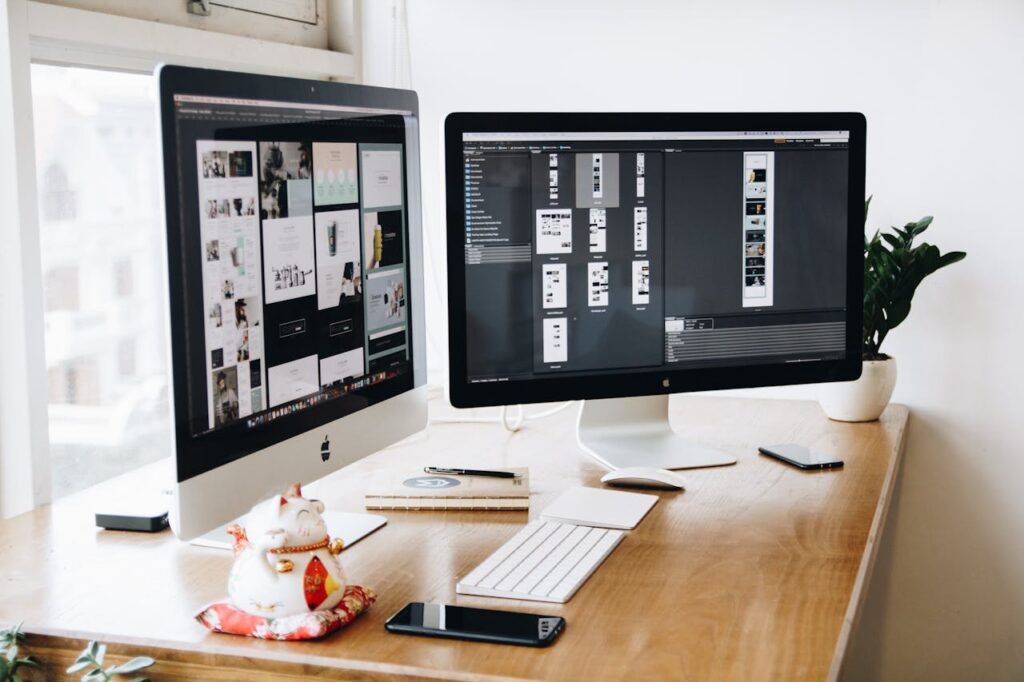
Not long ago, your website was the center of everything. It hosted your past issues, shared blog posts, gathered leads, and told advertisers how to reach you.
It also came with a lot of invisible work: pages to design, plugins to update, hosting fees to pay, and the occasional panic when something broke right before deadline.
For years, it made sense. But digital behavior has shifted, and the way readers find you today looks very different.
Why a Full Website May Not Be Necessary Anymore
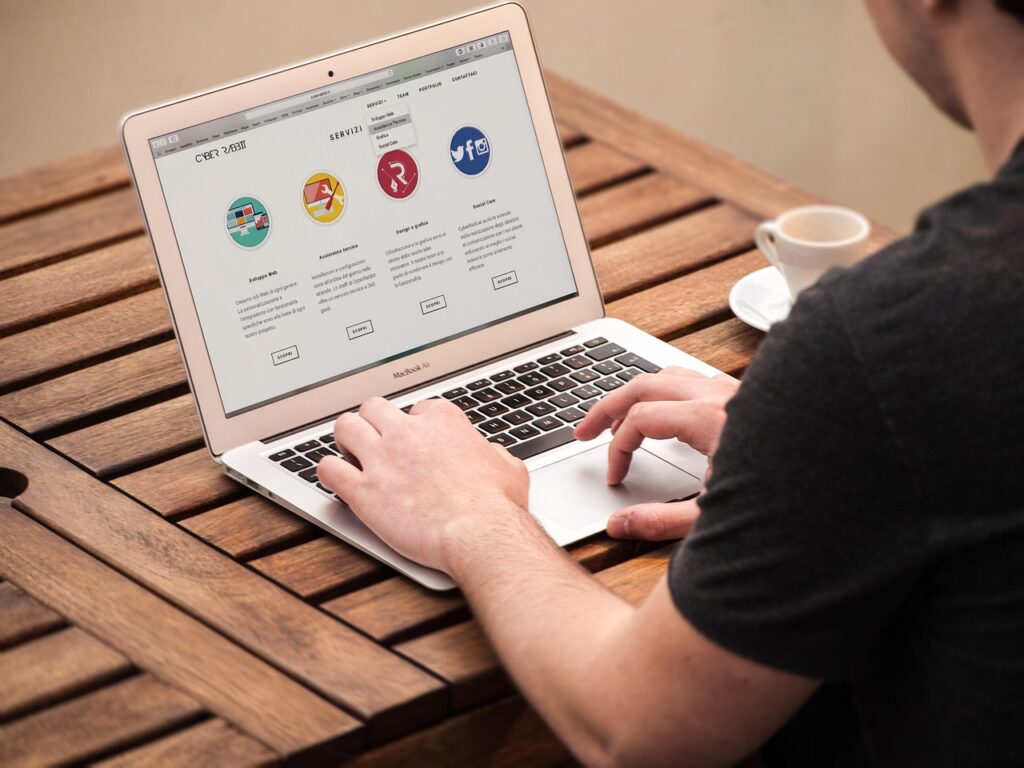
Let’s be real: maintaining a full website now often takes more time and money than it gives back.
Here’s what’s changed:
1. Readers aren’t visiting your site.
They’re scrolling through Facebook, checking emails, or reading your print edition. Your stories reach them where they already spend time — not necessarily on your domain name.
2. Advertisers care about results, not web pages.
They’re asking, “How many people saw my ad?” not “Is your About page updated?”
3. Most websites sit idle.
If your last update was months ago, your site isn’t helping you stay visible. It might even make you look outdated.
4. Focused landing pages do a better job.
One clean, mobile-friendly page with clear contact options often performs better than a complicated website with ten tabs no one clicks.
Smarter Alternatives to a Full Website
You can still have a digital presence without managing a traditional site. Here are practical alternatives that work just as well — and often better.
Option 1: A Branded Landing Page (via Working Napkin)
- Collect leads automatically
- Showcase your publication and ad packages
- Link to your digital issue
- Send instant follow-ups by email or text
It’s clean, fast, and built for conversion — not maintenance.
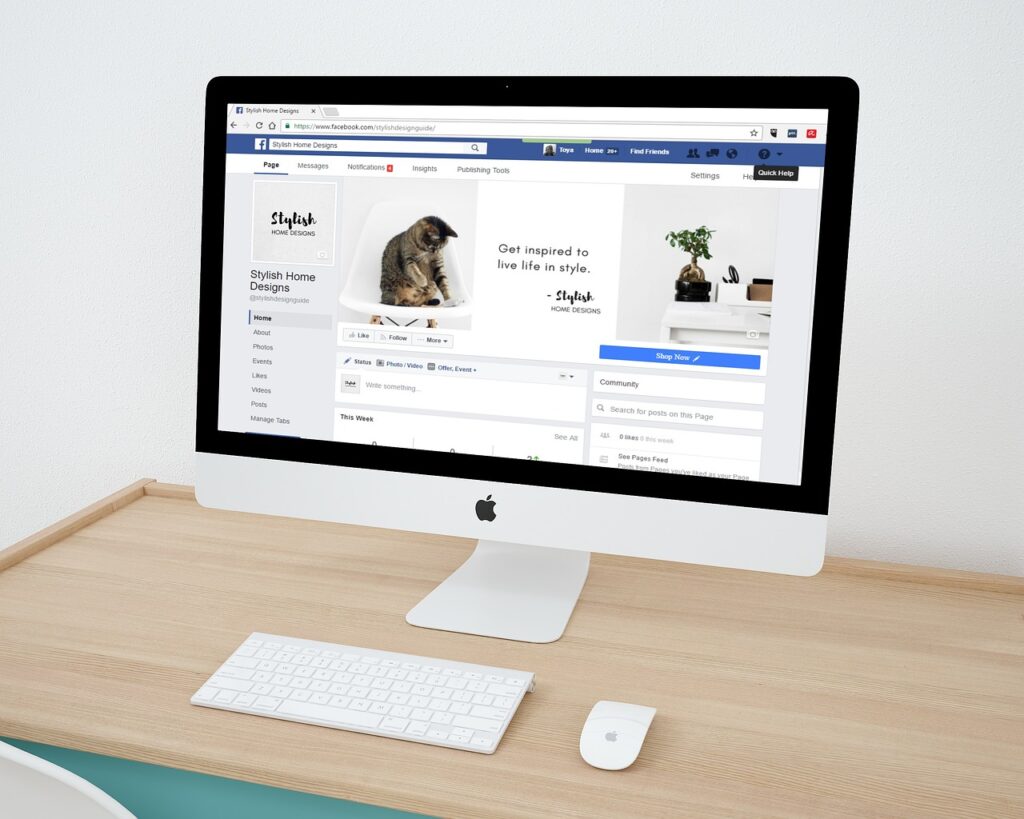
Option 2: A Facebook Business Page
- Share updates instantly
- Promote issues or features
- Interact directly with readers and advertisers
- Skip the web hosting headaches
Your audience is already there — meet them where they scroll.
Option 3: A Digital Flipbook With a Contact Button
- Display your latest issue beautifully online
- Add clickable calls-to-action inside
- Let advertisers reach out directly from the page
Think of it as your publication — but interactive.
When You Do Still Need a Website
There are cases where a full site still makes sense:
- You sell merchandise or subscriptions online
- You manage events with ticketing or RSVPs
- You publish frequent articles or maintain an archive
- You’re building a searchable local directory
If that’s you, a website can still be valuable. But for most publishers, the ROI is simply higher when you focus your energy elsewhere.
What to Focus On Instead
Skip the constant web maintenance and put your effort into what actually builds growth:
- Grow your email list through Working Napkin’s forms and automations
- Send regular outreach to past and potential advertisers
- Stay active on social media with consistent, branded posts
- Offer combined print and digital ad packages without needing a dozen website pages to explain them
These are the habits that keep your brand visible and your revenue flowing; no HTML required.

Final Thoughts
Having a website isn’t wrong. But needing one? That’s no longer true for every publisher.
If your real goals are to attract advertisers, reach your readers, and keep your community engaged, you can do all that — faster and simpler — with Working Napkin.
No plugins, no speed tests, no WordPress logins. Just tools that work quietly in the background while you do what you do best: publishing content that matters.
🔗 Want a simpler alternative to a website? Try a custom landing page from Working Napkin